They Live
2026
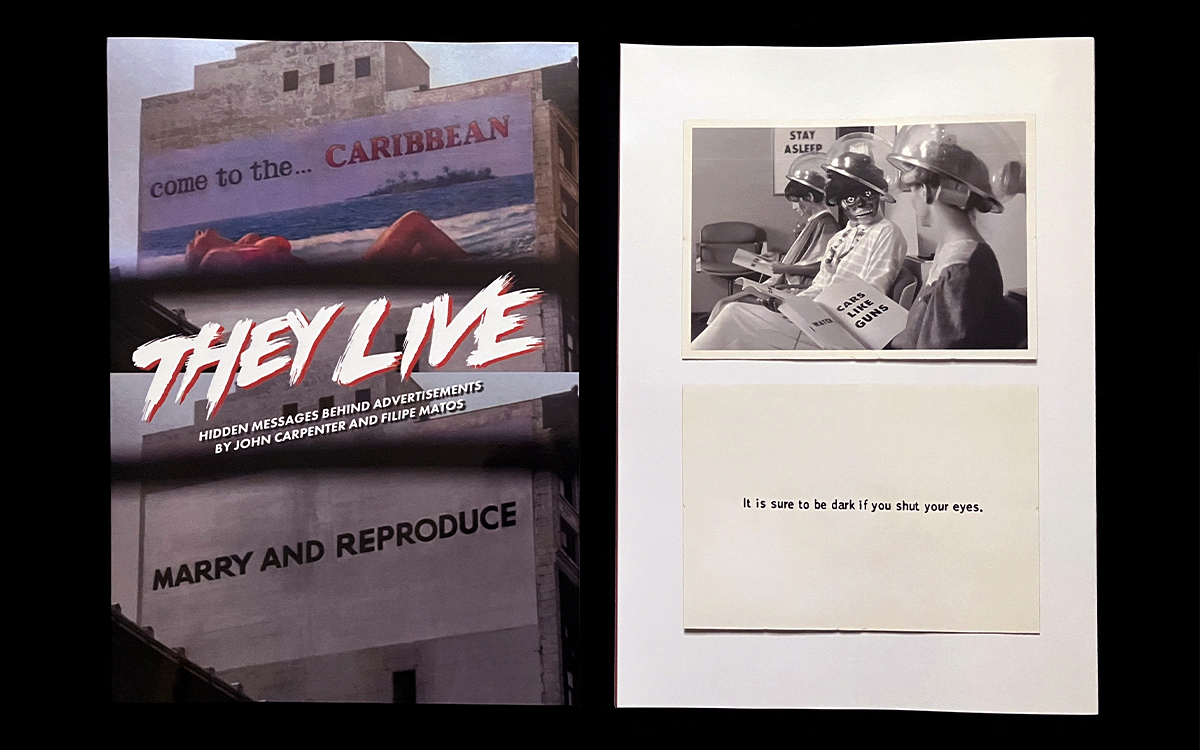
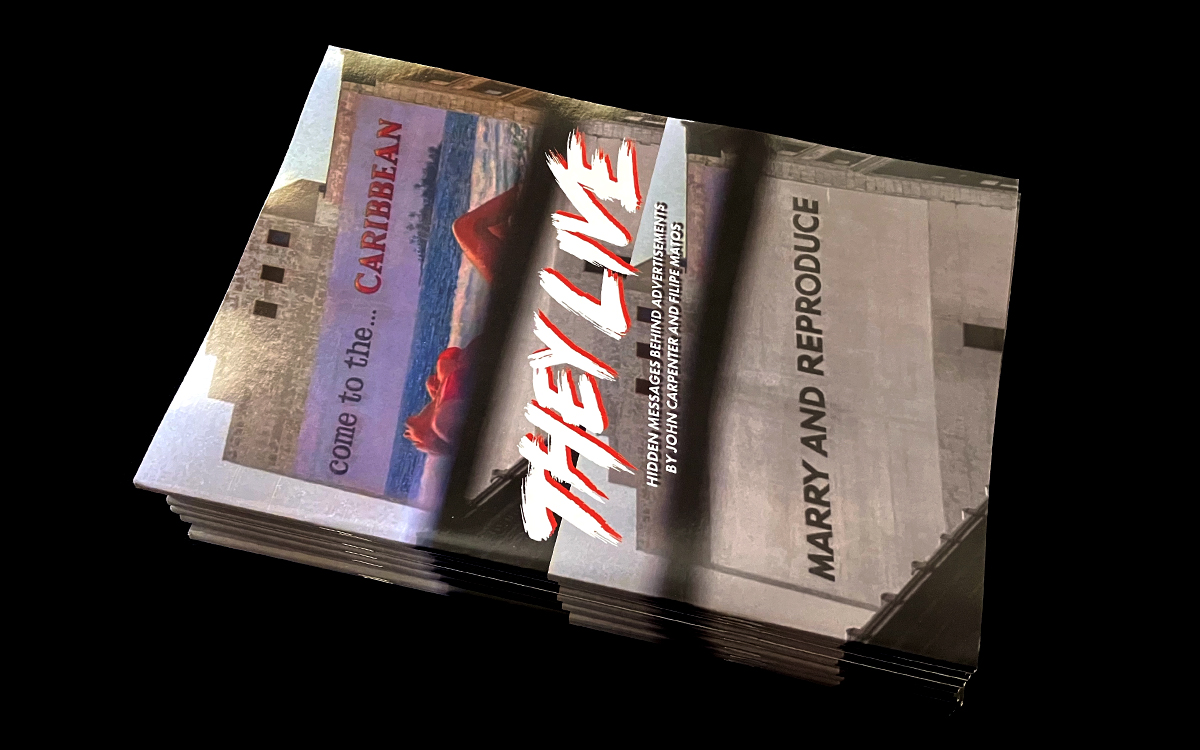
Hidden Messages Behind Advertisements by John Carpenter and Filipe Matos
The magazine operates like a decoded transmission. Borrowing the logic of They Live by John Carpenter, it strips advertising language down to its concealed imperative structure: aspiration becomes command, lifestyle becomes discipline, visibility becomes control. The familiar visual grammar of fashion editorials and corporate campaigns remains intact, but the slogans no longer seduce — they confess.
The magazine unfolds like a controlled psychological sequence. It transforms the language of advertising into a visible system of commands, exposing the hidden imperatives beneath contemporary media culture.
The opening statement —
“LONG FOR PERFECTION” — establishes desire as the foundation of the spectacle. The viewer is instructed to aspire endlessly: toward beauty, status, optimization, youth, productivity. The advertisements no longer appear as neutral images but as mechanisms shaping emotional behavior. Perfection becomes less an ideal than a social obligation.
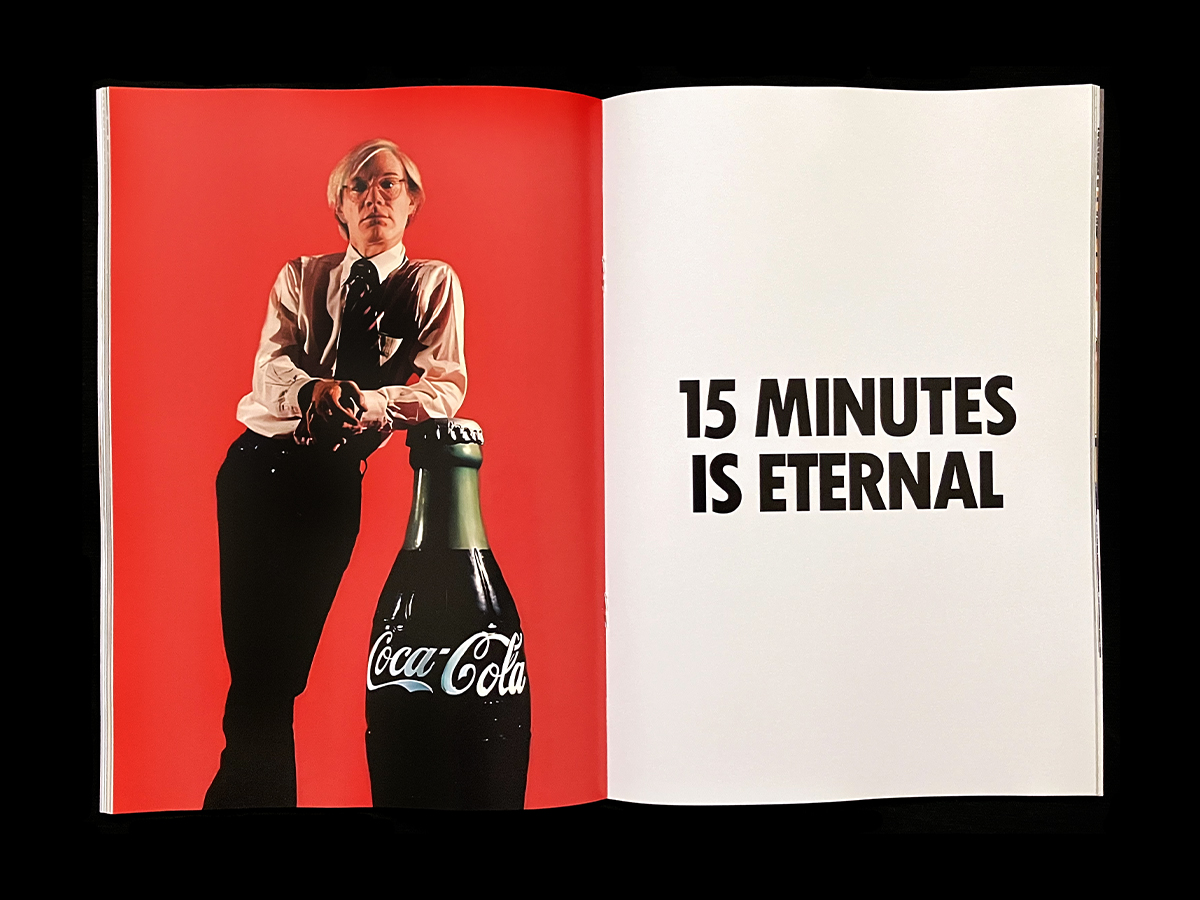
The middle section —
”5 MINUTES IS ETERNAL” —
reframes the famous Warholian idea of visibility and fame within digital culture. In the age of social media, temporary exposure behaves like permanence. Images circulate endlessly, identities become archives, and visibility itself turns into a form of labor. The self exists through repetition, metrics, and performance. To disappear from circulation is to risk social invisibility.
The final pages —
“ACCESS DENIED” —
reveal the endpoint of this logic. After the promise of participation, visibility, and connection comes restriction. Access itself becomes conditional: controlled by algorithms, platforms, moderation systems, invisible hierarchies, and automated judgement. The spectacle first seduces, then evaluates, then excludes.
The progression from perfection, to product, to denial forms a contemporary portrait of digital life: first, desire is manufactured; then identity is commodified; finally, visibility and participation are regulated. The viewer begins as consumer and ends as subject under administration.
The magazine reveals advertising not simply as persuasion, but as infrastructure — a system shaping emotion, attention, and social belonging.
What appears at first as parody gradually becomes documentary.
Shop |