Melania
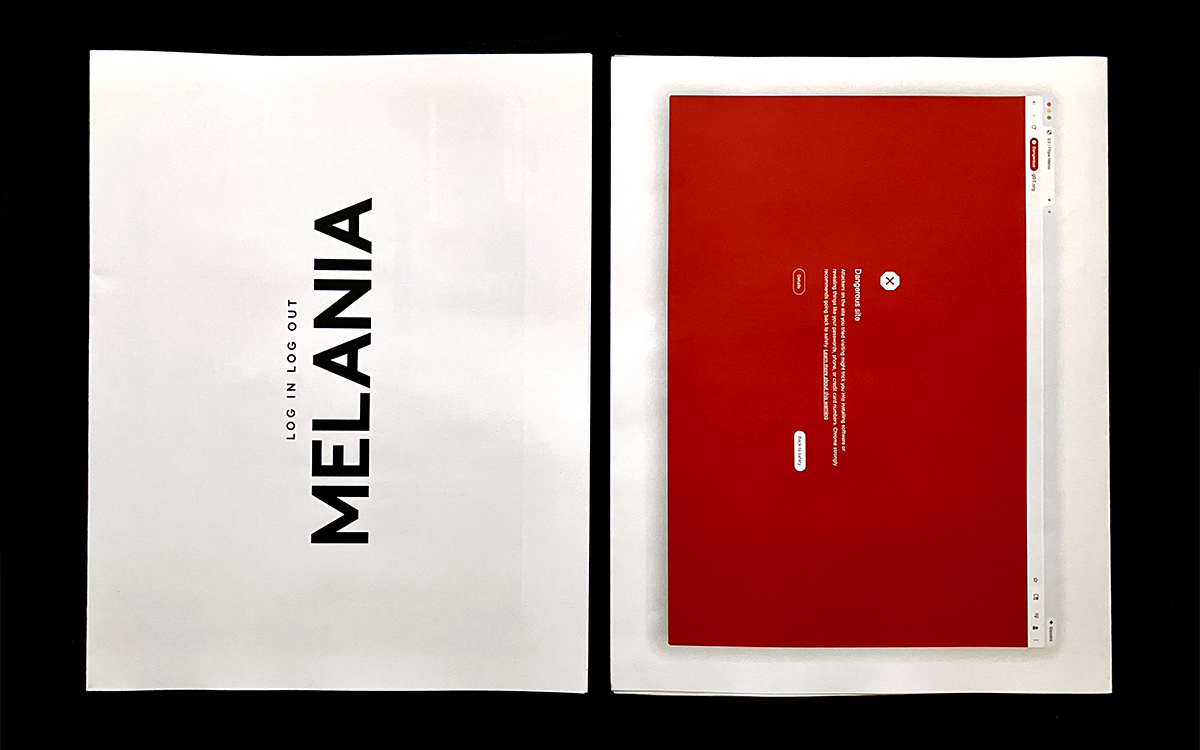
Log in Log out
2026
50 Editions
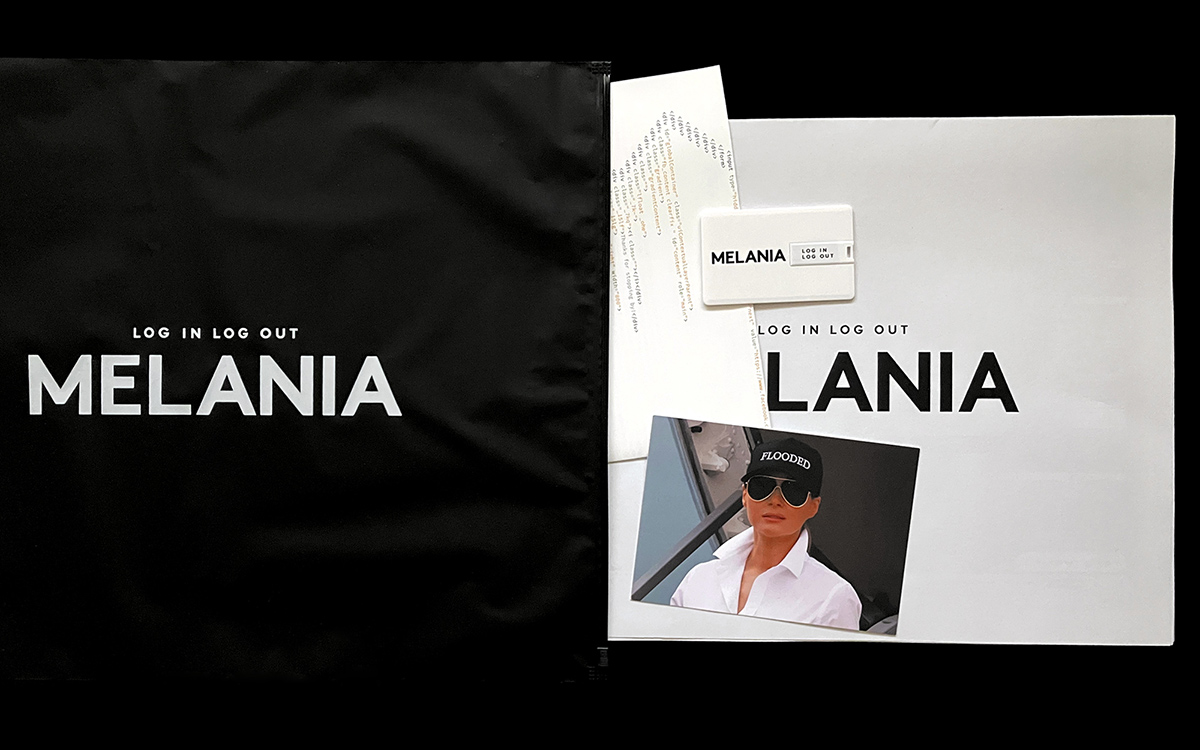
PACK
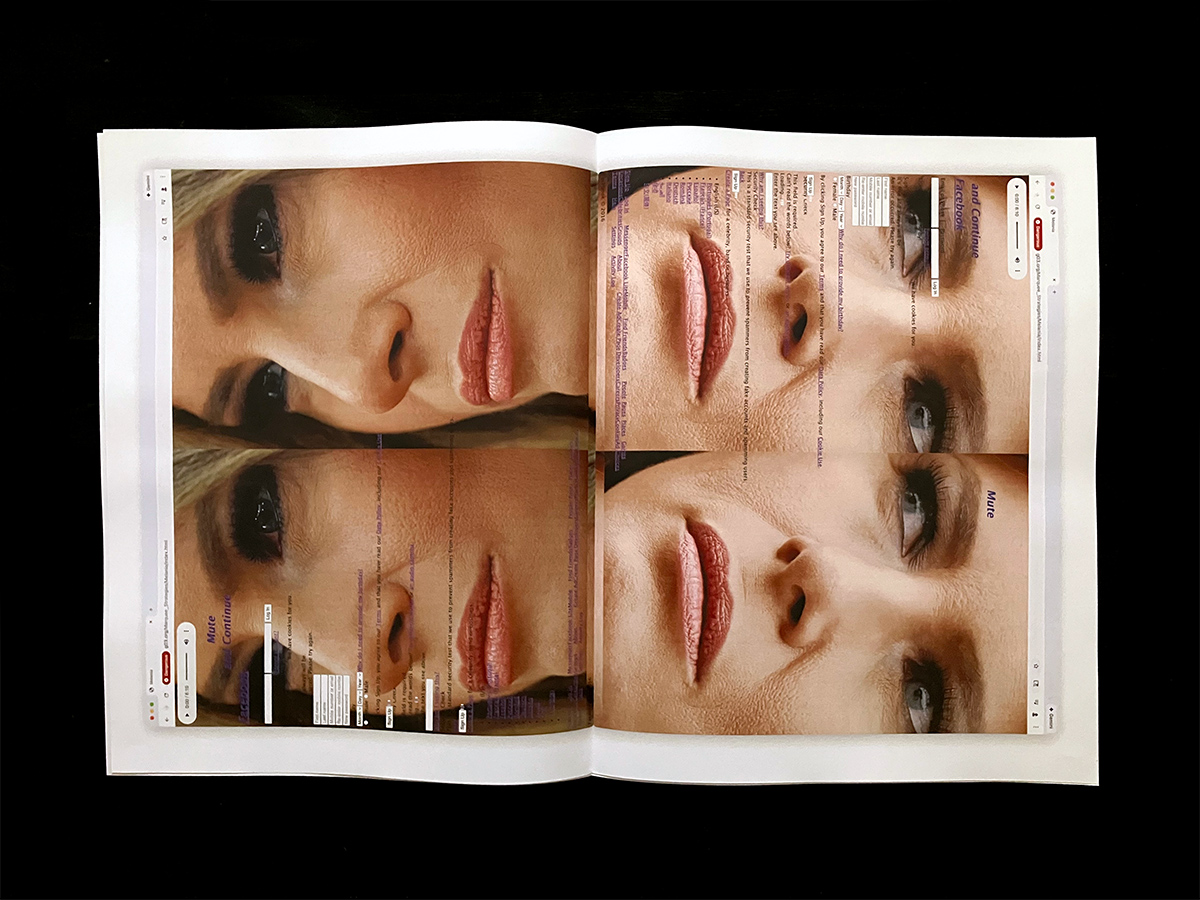
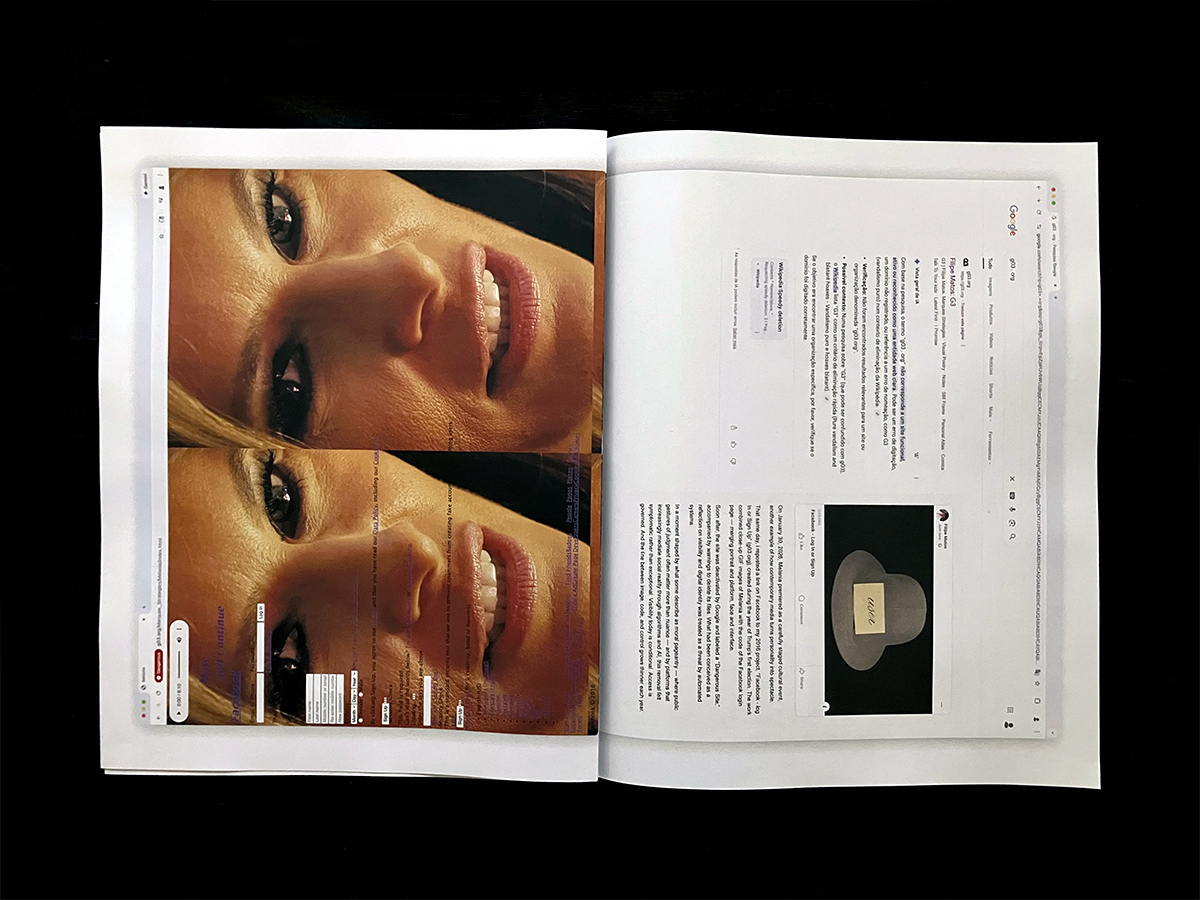
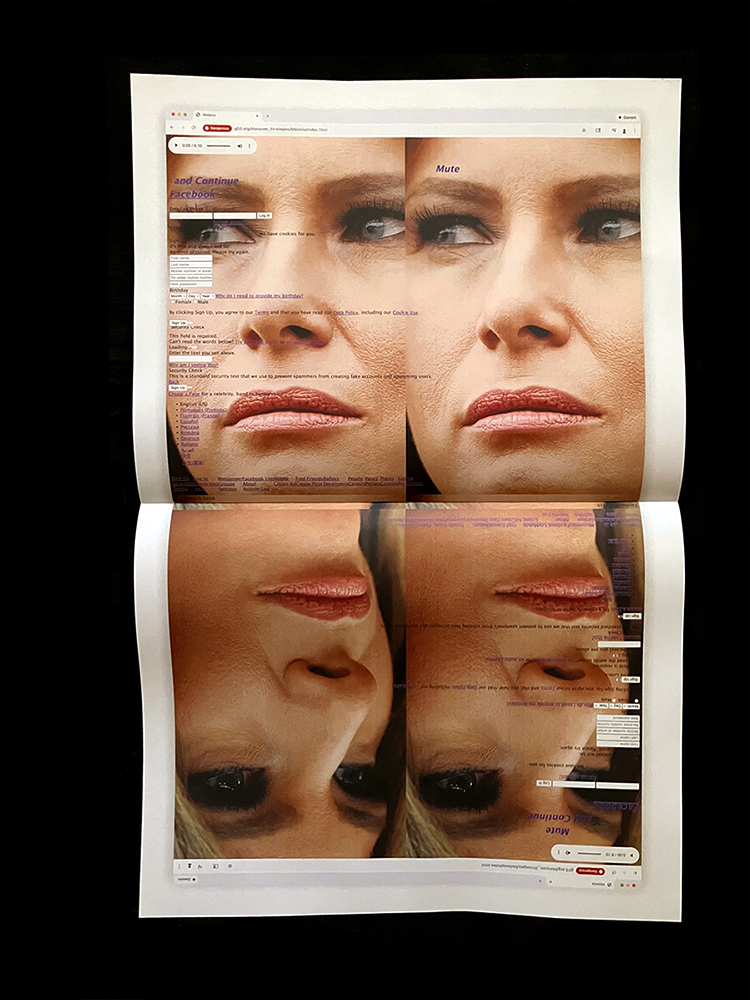
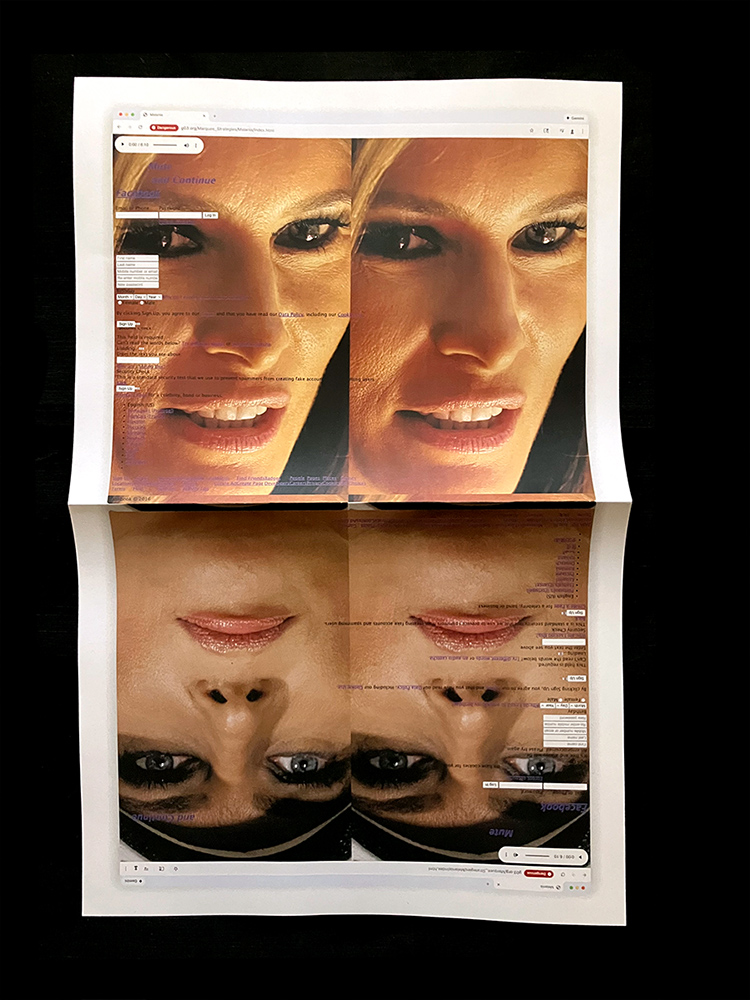
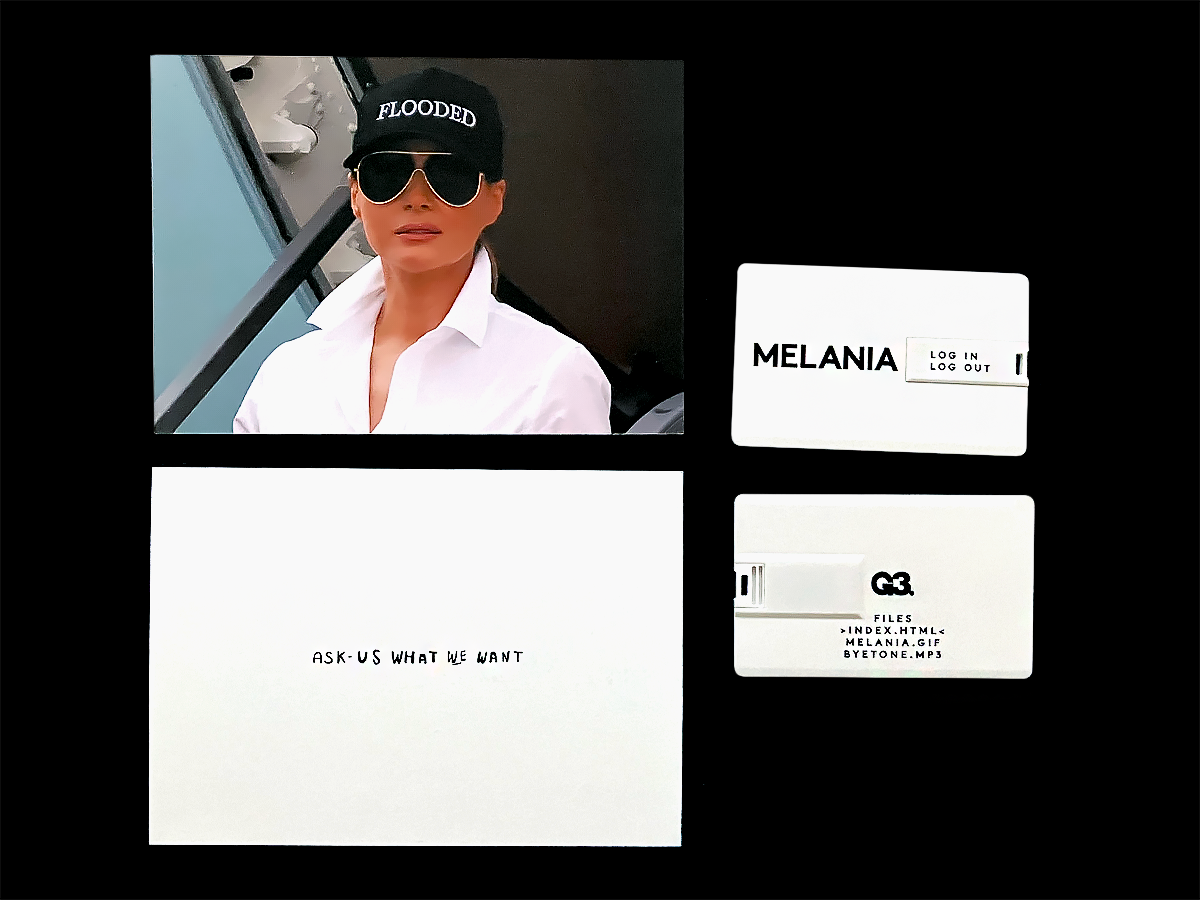
• 1 Newspaper
Tabloid - 8 Pages
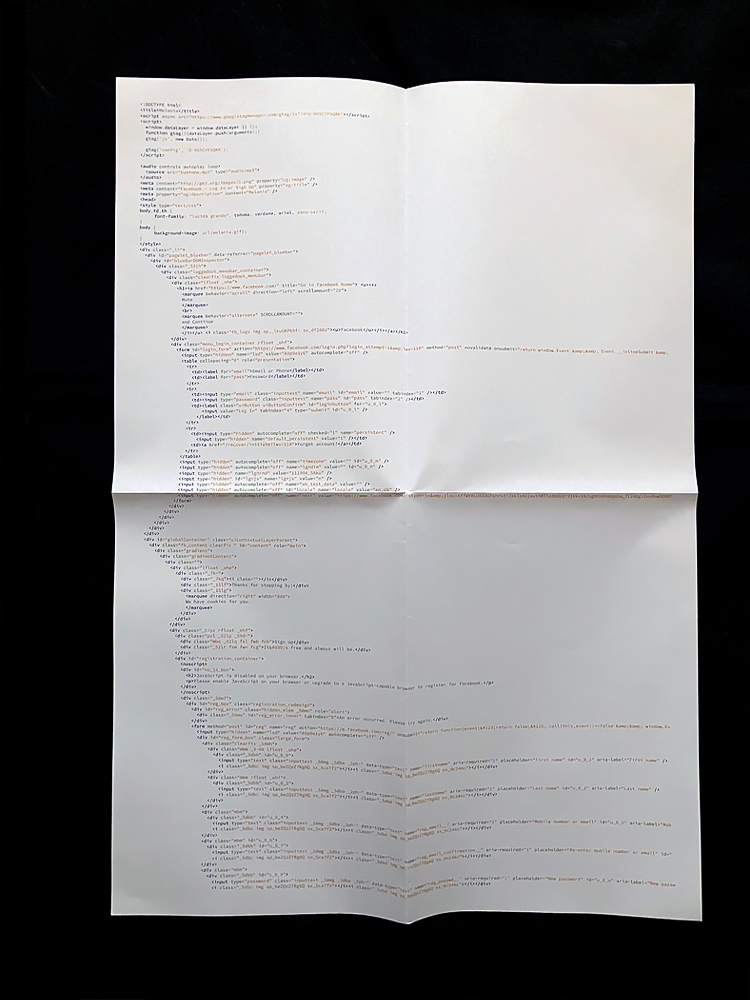
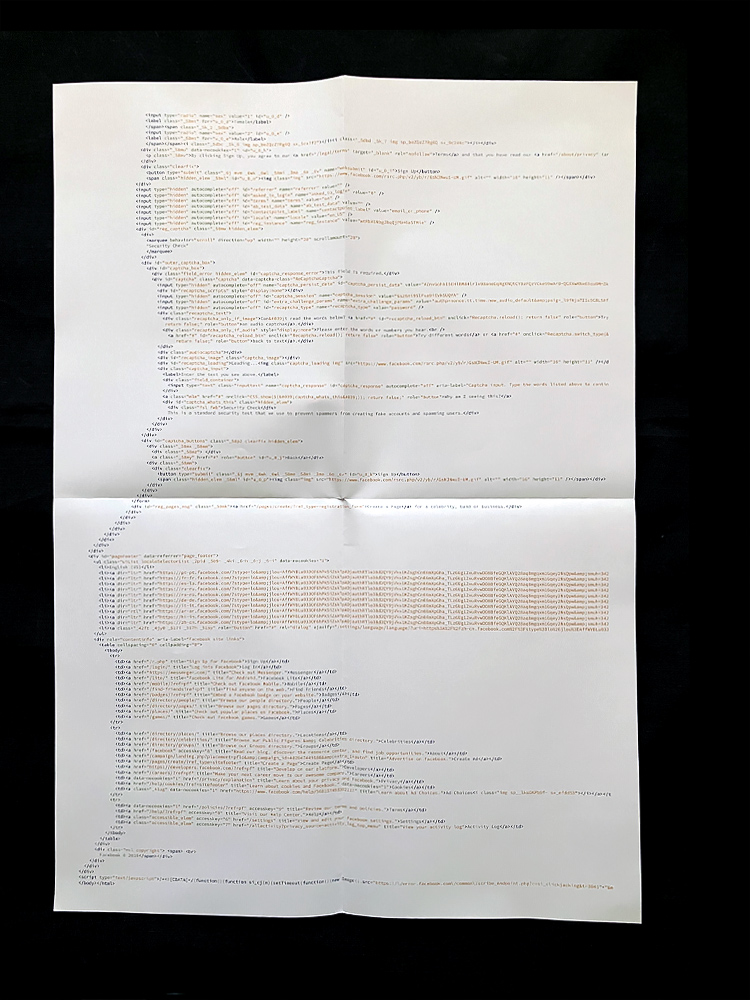
• 1 Poster A2 - front and back
Code of the Facebook login page 2016
• 1 Postcard
Size: 14,8cm X 10,5cm
• 1 Master Card Pen Drive
Files: index.html, melania.gif
byetone.mp3
• 1 Envelope
with Melania logo Screenprinted
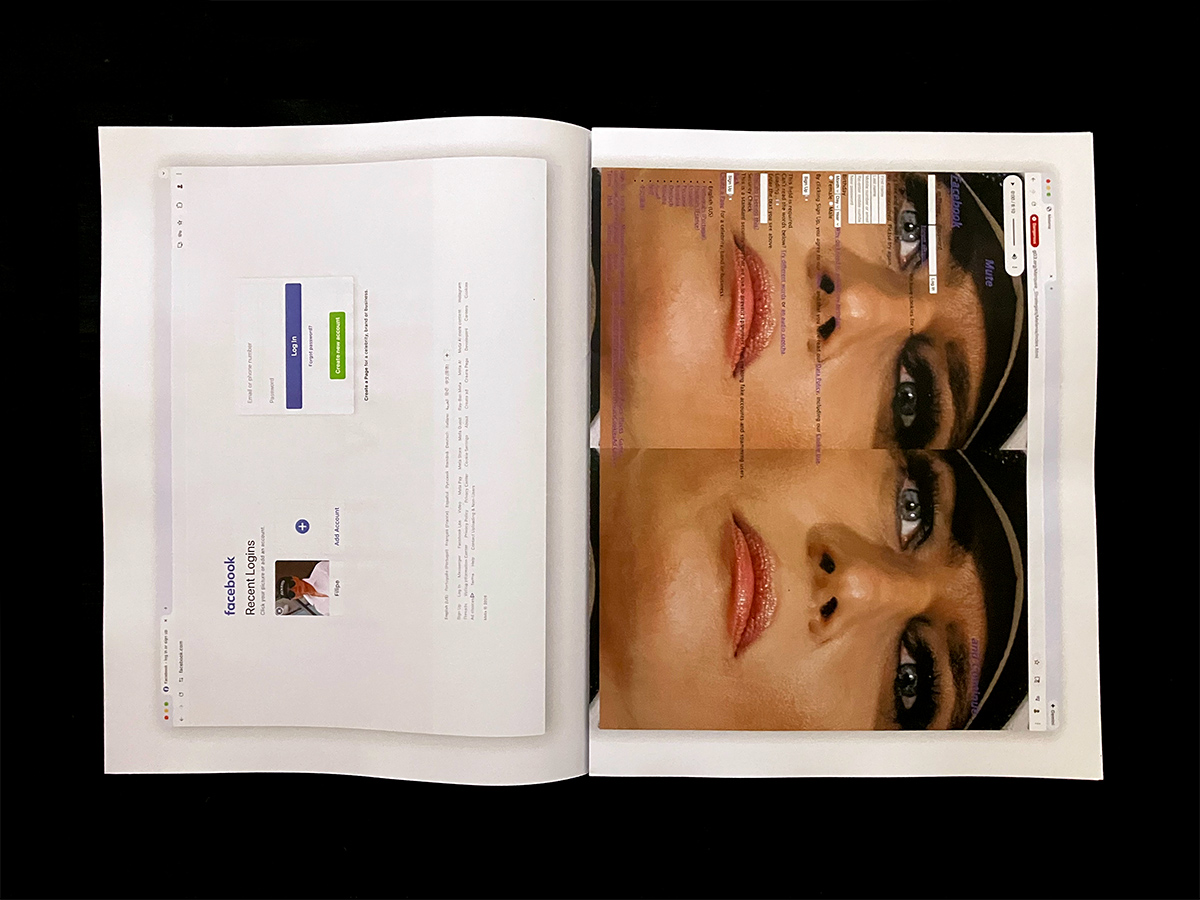
On January 30, 2026, the film Melania had its world premiere — a highly produced cinematic artifact that, for many, blurred the line between documentary and spectacle. The film became an instant cultural object of discussion, emblematic of how contemporary media packages personality and power into something consumable yet impenetrable. That same day, I revisited an older project in the public sphere: “Facebook - log In or Sign Up” on my website g03.org, a piece originating in 2016, the year Donald Trump was first elected. The project juxtaposed close-up GIF images of Melania Trump with the HTML code of the Facebook login page, an attempt to expose how identity, platform, and interface collide in the digital age.
Shortly after posting the link on Facebook, my site was deactivated by Google with the label “Dangerous Site” and warnings to delete its files. A work that was meant to be a reflection on login, access, visibility, and the politics of image was instantly rendered invisible by automated platform governance — a stark illustration of how contemporary systems manage, suppress, and arbitrate what the public is allowed to see.
This incident didn’t occur in isolation. In a broader cultural moment, moral signaling and public adjudication have taken on ritualized forms that seem designed as much for visibility as for resolution. As the Quillette article on arrest and moral pageantry observes, there is an emerging pattern in which individual actions are transformed into public moral objects, not necessarily to clarify truth or deliver justice, but to perform collective judgement and reaffirm group identities. Individuals become symbols — codes within a larger broadcast — rather than nuanced human beings. The removal of my project was not framed as an analytical act but as a threat that must be eradicated, a type of digital moral response delivered not by human judgement but by automated censors.
At the same time, the Atlantic’s exploration of AI companionship and anti-social media describes how technology is transforming the very fabric of human experience. Platforms once built to connect us now optimize for maximal engagement through algorithms that reduce complexity to consumable patterns. Instead of friction and authentic challenge, we are offered frictionless interactions, simplified identities, and algorithmically tuned companionship — all of which flatter us with immediacy, but quietly reshape how we relate to each other and to ourselves. A login page becomes not just a threshold to an app but a site where identity is negotiated, coded, and ultimately constrained by unseen systems.
Taken together, these threads — a film that mediates personality into spectacle, a deleted website that once mapped image to interface, algorithmic suppression that functions as moral enforcement, and platforms that shape our social fabric — reveal something crucial about our moment: visibility and access are no longer open conditions; they are products managed by corporate and algorithmic gatekeepers. What we see, what we can show, and what is removed all pass through layers of automated judgement, moral choreography, and engagement optimization.
In this context, the act of posting a link becomes a political gesture. The act of censoring a site becomes a moral and technical verdict. And the very idea of public memory — what stays in view, what disappears, what is labeled dangerous — becomes a site of contention between systems of power and individual intention. In the end, we are left not only to ask what we see, but who decides — and on whose terms.
Shop Facebook |